
When Downtown Streets Become Race Routes: The Orchestration Behind Miami's Major Events
Major running events dramatically transform downtown Miami, closing thoroughfares and drawing thousands. This urban spectacle requires extensive planning and coordination, highlighting the civic spirit behind these athletic endeavors.
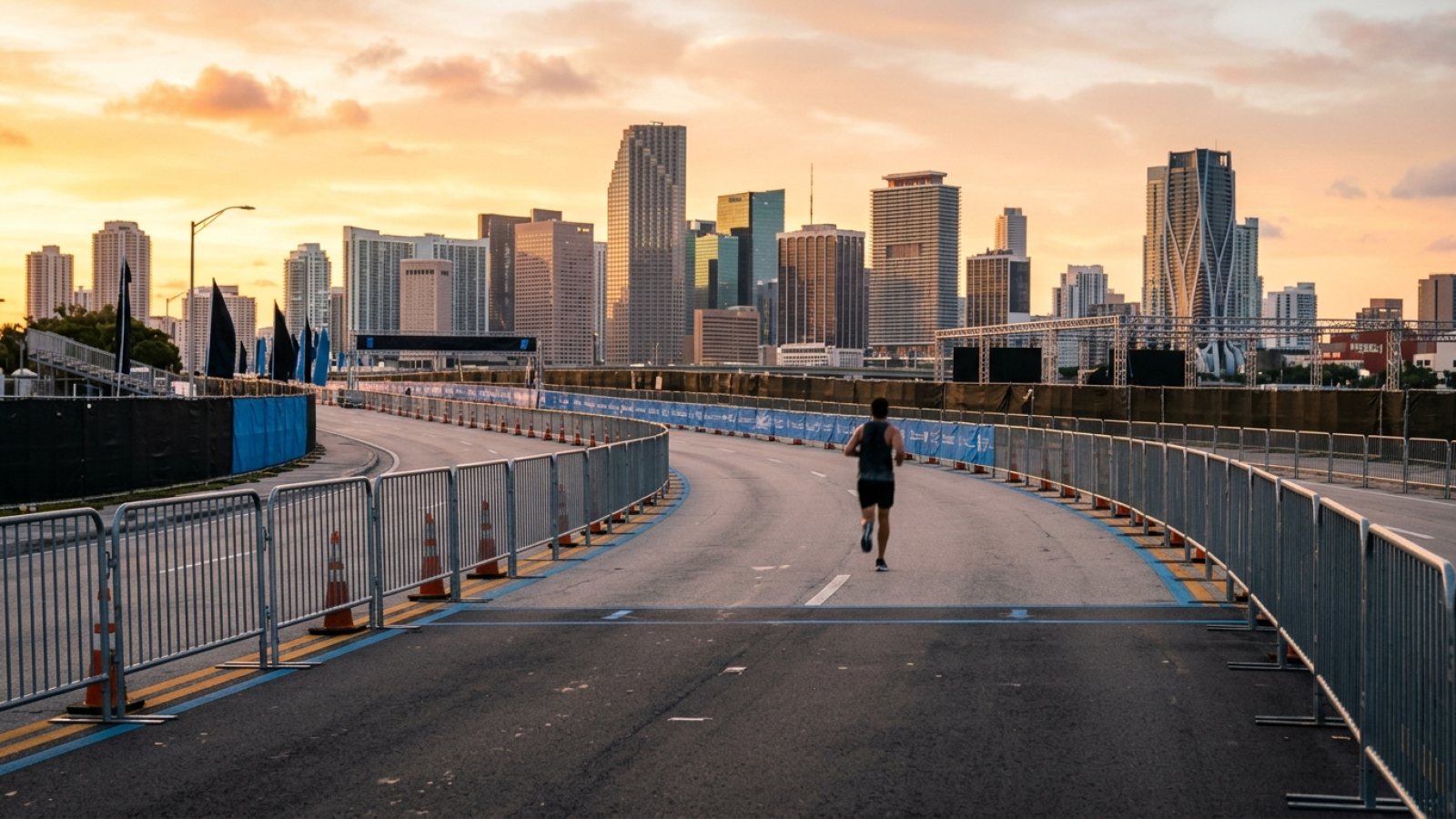
When the starting gun fires for a major running event in downtown Miami, the urban core undergoes a dramatic transformation. Streets that typically pulse with commuter traffic and daily commerce are cleared, barricaded, and reimagined as a grand-scale athletic arena. These events, from full marathons to lively 5Ks, are more than just races; they are complex logistical ballets that showcase the city's capacity for large-scale public gatherings and community spirit.
The Urban Canvas: Streets as Race Tracks
The very fabric of downtown Miami – its wide boulevards, causeways, and waterfront paths – lends itself beautifully to these expansive race routes. Participants often begin near Museum Park or AmericanAirlines Arena, winding through the Central Business District, alongside Biscayne Bay, and sometimes extending into Brickell or even across the MacArthur or Venetian Causeways. This offers runners unparalleled views of the skyline and the water, but it also necessitates an intricate plan for managing the city's flow. For hours, major arteries become exclusive corridors for runners, demanding comprehensive street closures that require meticulous planning months, if not years, in advance. Residents and businesses are notified, alternative routes are mapped, and public transit is often rerouted or adjusted to accommodate the thousands of participants and spectators.
Behind the Barricades: A Symphony of Coordination
The seamless execution of a major downtown race is a testament to extraordinary collaboration. Numerous entities work in concert to ensure safety, efficiency, and a positive experience for all. City of Miami departments, including Public Works, Solid Waste, and Parks and Recreation, play critical roles in setting up infrastructure, managing sanitation, and preparing public spaces. The Miami Police Department and Fire-Rescue Department are indispensable, securing the route, managing traffic diversions, and standing by for any emergencies. Beyond city services, hundreds, if not thousands, of volunteers contribute their time and energy, staffing aid stations, guiding runners, and cheering from the sidelines. Race organizers, often private companies specializing in large-scale events, are the maestros, orchestrating everything from permit acquisition and course certification to marketing and post-race cleanup. Their detailed planning ensures that a temporary, vibrant city within a city can rise and then dissipate with minimal lasting impact on the urban environment.
More Than a Race: Economic and Community Impact
While the temporary disruption of street closures is an undeniable aspect of race day, the positive ripple effects for downtown Miami are significant. These events draw thousands of participants, many of whom travel from outside the immediate area, booking hotel rooms, dining at local restaurants, and exploring the city's attractions. This influx of visitors provides a substantial boost to the local economy. Moreover, major races often partner with charitable organizations, using the event as a platform for fundraising and awareness, channeling significant contributions back into the community. For residents, it's an opportunity to witness world-class athletics, to gather with neighbors, and to experience their city in a unique, festive atmosphere. The collective energy of spectators cheering on runners, combined with the shared endeavor of the participants, fosters a palpable sense of community pride.
The Broader Running Landscape
While no major downtown race dominated headlines this week, the region continues to host vibrant running events across South Florida. For instance, WPLG Local 10 reported this week that North Perry Airport recently hosted its first-ever 5K, bringing over 600 runners to the runway. This event, while not in the immediate downtown core, exemplifies the enduring popularity of organized running and the collaborative effort required to bring such events to life, whether on an airport runway or through the heart of a bustling urban center. These diverse events underscore the region's commitment to public health, community engagement, and providing unique experiences for residents and visitors alike.
Ultimately, race day in downtown Miami is a complex and exhilarating phenomenon. It requires immense civic coordination and temporary adjustments for daily life, but it delivers an undeniable surge of energy, community engagement, and economic activity. These events are a powerful demonstration of how Miami's urban core can adapt and thrive, transforming its infrastructure into a stage for human achievement and collective celebration.
