
Building Resilience: The Unseen Work Protecting Downtown Miami's Waterfront
Downtown Miami's rapid growth along the bayfront demands continuous, robust infrastructure work, especially regarding seawalls and flood mitigation. Though specific project updates may be quiet this week, the underlying need remains paramount for the city's future.
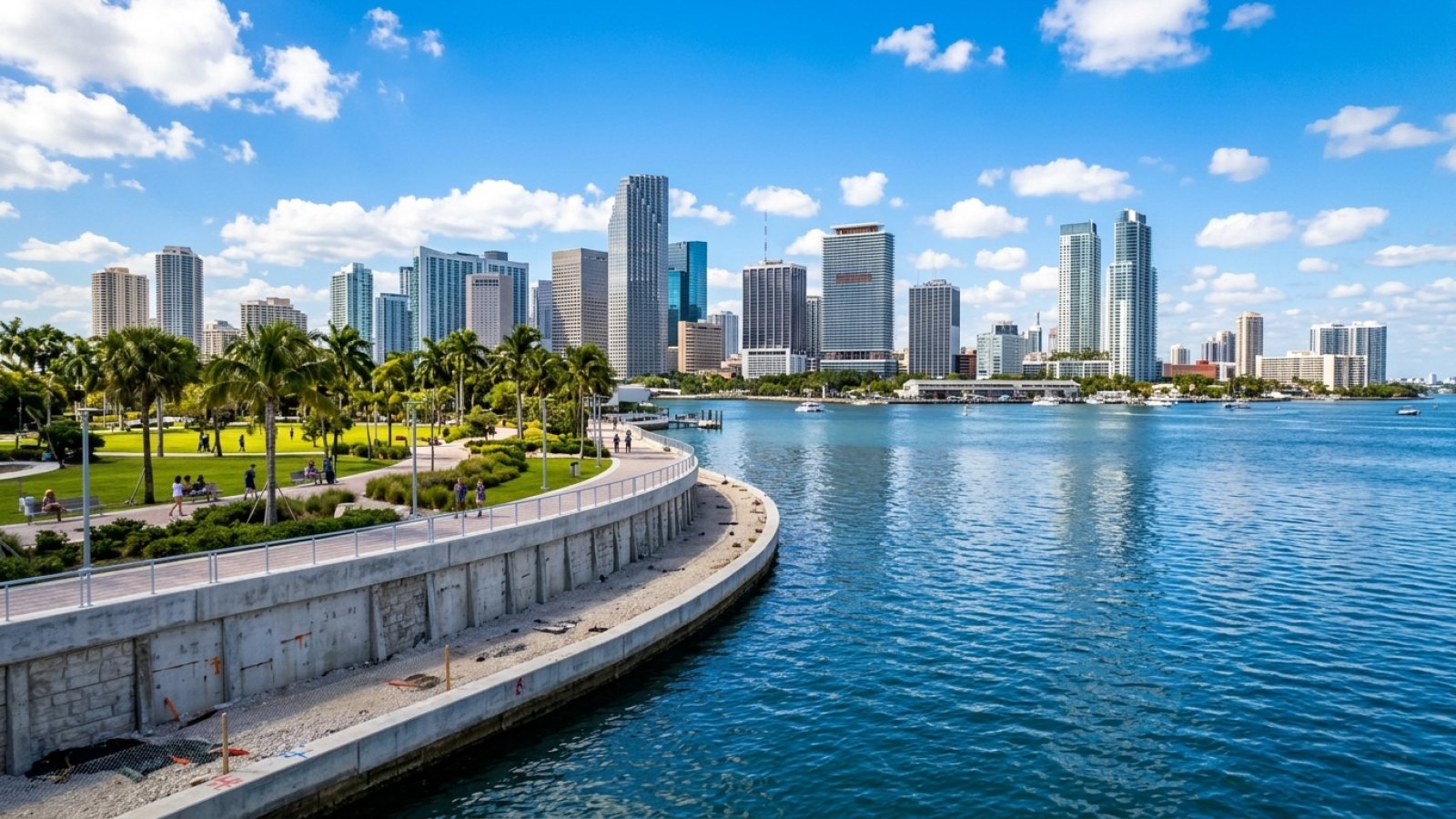
Protecting downtown Miami’s precious waterfront is an ongoing, multifaceted endeavor that is as critical as the soaring towers defining our skyline. While the visible signs of growth and development often grab headlines, the less conspicuous work of fortifying our bayfront against the realities of a changing climate forms the bedrock of our urban core’s future resilience. As of November 7, 2026, it has been a quiet week for direct updates on seawall construction or specific flood mitigation projects in downtown Miami, yet the broader context of our city’s expansion underscores the constant, pressing need for this essential infrastructure work.
The Foundation Beneath the Boom
The continuous evolution of downtown Miami, often characterized as its 'Manhattanization,' places immense pressure on our existing infrastructure. From Brickell to the Arts & Entertainment District, new residential and commercial developments are constantly reshaping our landscape. This week, regional development continued its upward trend, with developers securing a significant $220 Million Predevelopment Loan For Oceanfront Condominium Project In Key Biscayne. While this project is in an adjacent community, its scale reflects the intense demand for waterfront living and the substantial investment flowing into South Florida’s coastal areas. Each new high-rise and luxury development, particularly those along the water, necessitates a reassessment and often an upgrade of the surrounding infrastructure to ensure long-term viability.
Adding to this pattern of significant investment, a landmark property in the heart of downtown also saw new ownership this week. The Landmark InterContinental hotel in Miami was just sold, described by the Miami Herald as ‘Great real estate.’ Such high-value transactions in prime downtown locations signal confidence in Miami’s urban core, but they also bring into sharper focus the responsibility to safeguard these investments through robust infrastructure. The value of waterfront real estate is inextricably linked to the integrity of its coastal protections, making seawalls and flood management not just environmental necessities, but economic imperatives.
Bayfront Life: Events and Vulnerability
Beyond the impressive architecture and commercial vitality, downtown Miami’s bayfront is a vibrant hub for public life and community events. These spaces are where residents and visitors connect with the city's unique charm, often directly beside the water. This month, the city is preparing for a series of high-profile gatherings, including Miami Art Week parties and festivals and a variety of family-friendly activities like the Medieval Festival and Michael Jackson Circus Show. Many of these events utilize popular bayfront parks and public areas, drawing thousands to our shoreline.
These cherished public spaces, however, are also on the front lines of environmental challenges. Bayfront Park, Museum Park, and other accessible areas provide crucial green space and recreational opportunities, but their proximity to the water means they are also susceptible to tidal flooding and storm surge. The ongoing maintenance and enhancement of seawalls, stormwater drains, and resilient landscaping are vital to ensure these public amenities remain accessible and enjoyable for generations to come, allowing festivals and daily strolls to continue uninterrupted.
The Persistent Infrastructure Challenge
The work of shoring up our waterfront is rarely dramatic, often involving complex engineering, lengthy planning, and substantial public investment. It includes raising existing seawalls, installing flood barriers, improving drainage systems, and exploring innovative approaches to protect against rising sea levels and extreme weather events. While specific project announcements were not prominent this week, the consistent pattern of downtown Miami's development and its vibrant public life serves as a constant reminder of the unseen, yet crucial, infrastructure work that must continue.
Ensuring the resilience of our bayfront is a long-term commitment that underpins downtown Miami’s future as a thriving, livable, and economically robust urban center. It requires sustained attention from city planners, engineers, and policymakers, working collaboratively to adapt our urban core to the environmental realities of a coastal metropolis. The ongoing vitality of our downtown, from its luxury condominiums to its bustling public events, ultimately depends on these foundational efforts to protect our precious waterfront.
