
Fintech on Brickell Avenue: Miami's Growing Hub for Financial Innovation
Brickell Avenue has solidified its reputation not just as Miami's financial district, but as a dynamic hub for financial technology (fintech) companies. This concentration of innovation is profoundly shaping the urban core and the broader economy of Downtown Miami.
Brickell Avenue has solidified its reputation not just as Miami's financial district, but as a dynamic hub for financial technology (fintech) companies. This concentration of innovation is profoundly shaping the urban core and the broader economy of Downtown Miami, signaling a diversification from traditional finance and a significant leap into the future of global commerce.
The Lure of Miami for Fintech Innovators
The reasons behind Brickell’s ascendance as a fintech hotspot are multifaceted, drawing companies ranging from established payment processors to nascent blockchain startups. One primary appeal is Miami's strategic geographical position as a gateway to Latin America, offering unparalleled access to emerging markets for financial services. Many fintech companies view the region as a critical expansion frontier, and a Miami base provides both cultural affinity and logistical convenience.
Beyond location, the economic climate has played a significant role. Florida's favorable tax structure is often cited as a draw for businesses and high-net-worth individuals, which translates into a robust talent pool seeking new opportunities. This influx of professionals, coupled with a growing number of local universities graduating tech-savvy talent, helps build a self-sustaining ecosystem. Moreover, the quality of life in Miami, from its climate to its vibrant cultural scene, acts as a powerful magnet for attracting and retaining the highly skilled workforce that fintech demands.
The existing density of traditional financial institutions on Brickell Avenue also creates a natural synergy. Fintech companies often seek partnerships or integration with established banks and investment firms, and being co-located facilitates these collaborations. This environment fosters a unique blend of established financial expertise and disruptive technological innovation, driving new solutions in payments, lending, asset management, and digital currencies.
Fintech's Impact on Downtown's Urban Fabric
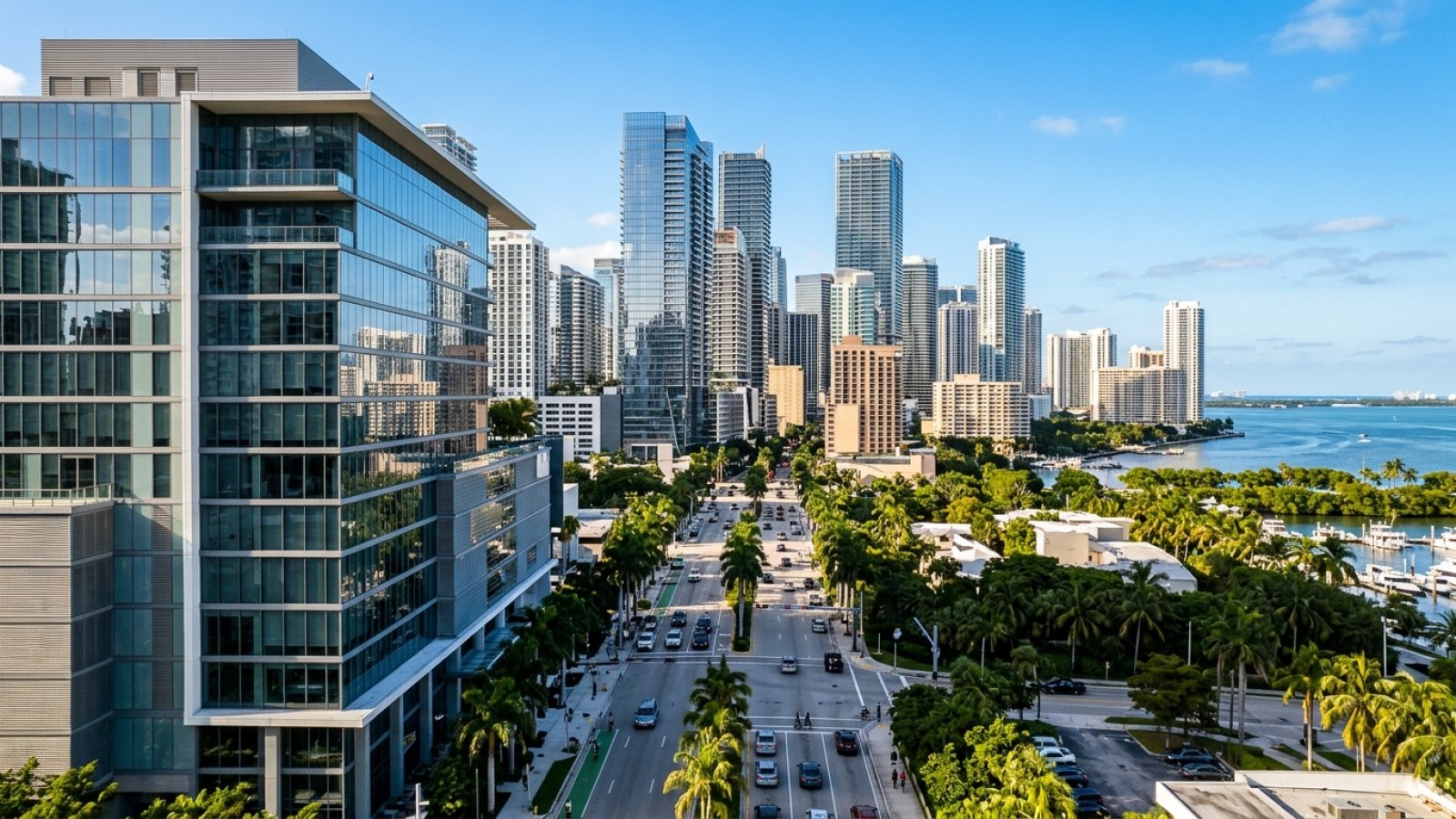
The clustering of fintech firms on Brickell has a palpable effect on the physical and economic landscape of Downtown Miami. New high-rise office towers are continuously being developed or retrofitted to accommodate these growing companies, contributing to the district's 'Manhattanization.' This increased demand for premier commercial space spurs further construction, transforming the skyline and creating a denser, more vertically oriented urban core.
Economically, fintech's presence injects a new stream of high-wage jobs into the local market. These positions attract skilled professionals, who in turn demand more residential options, retail services, and hospitality venues. This demand fuels an ongoing boom in luxury residential towers, boutique shops, and diverse dining establishments throughout Brickell, the Central Business District, and even extending into adjacent neighborhoods like Edgewater and the Arts & Entertainment District. The influx of a tech-focused professional class also diversifies the city's economic base, making it less reliant on traditional industries and more resilient to economic fluctuations.
Infrastructure and Future Growth
While the growth driven by fintech is largely positive, it also presents ongoing infrastructure challenges and opportunities. The increased population density puts pressure on existing transit systems, such as the Metromover and Metrorail, as well as roadways. Enhancements and expansions to public transportation networks are continually discussed and implemented to support this growth, aiming to maintain accessibility and reduce congestion.
Utilities, including power grids and internet connectivity, must also scale to meet the demands of a tech-intensive business environment. Reliable, high-speed infrastructure is non-negotiable for fintech operations. Furthermore, the rapid urban development highlights the ongoing need for public green spaces, accessible waterfronts, and community amenities to ensure that Brickell and Downtown Miami remain livable and attractive as they become more densely populated. Investments in these areas are crucial for fostering a balanced and sustainable urban environment.
The flourishing fintech sector on Brickell Avenue is more than just an economic trend; it is a fundamental force reshaping Downtown Miami. By attracting capital, talent, and innovation, it is accelerating the evolution of the city into a global financial and technological powerhouse, solidifying its place on the international stage. Continuing to invest in smart infrastructure and community planning will be key to sustaining this momentum for decades to come.
