
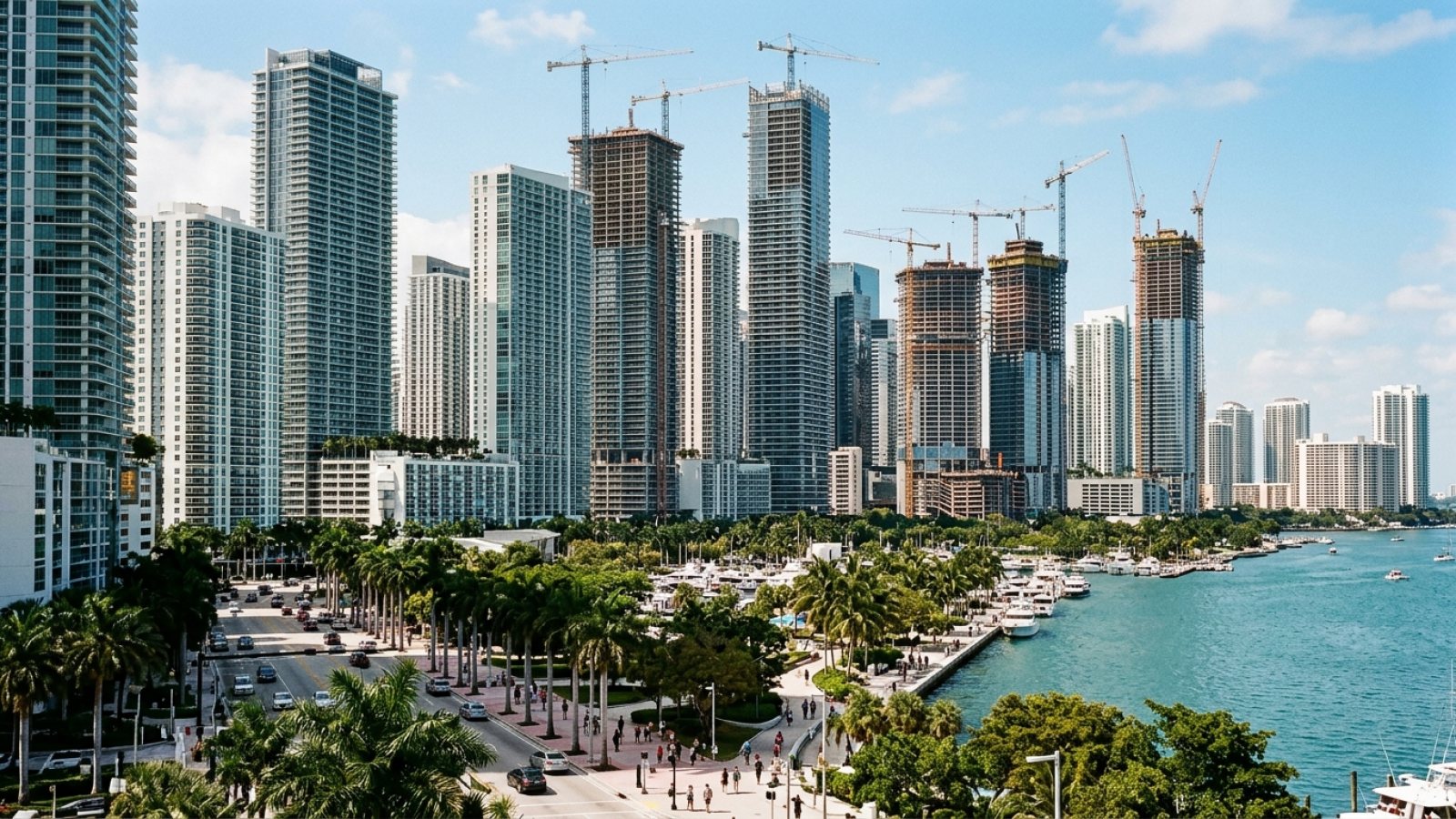
Downtown Miami's Vertical Ascent: Residential Towers and the Evolving Urban Fabric
Downtown Miami is undergoing a profound transformation, with a new wave of residential towers reshaping its iconic skyline and attracting thousands of new residents. This rapid vertical growth brings both immense opportunities and critical considerations for the urban core's streets, parks, and essential services.
Downtown Miami is rapidly transforming, with a skyline increasingly defined by a wave of new residential towers reaching unprecedented heights. This phenomenon, often dubbed the 'Manhattanization' of Miami, signals a significant shift in how people live, work, and interact within the urban core, bringing with it both excitement and critical considerations for the city's public spaces and infrastructure.
The sheer scale of recent projects underscores this dramatic change. South Florida continues to see new developments of 60 or more stories by story count, as reported by Haute Living. From the 56-story topping out of Villa Miami in Edgewater, noted by Haute Living, to a first look inside LILLI, OKO Group's 117-residence tower on Biscayne Bay, detailed by RESIDENT™ | A Luxury Lifestyle Magazine, the city is undeniably building upwards. This vertical expansion isn't just about new construction; it also involves significant real estate transactions shaping the area's future, such as the Gencom-led partnership acquiring the 652-key InterContinental Miami in Downtown Miami, an event covered by Florida YIMBY and megaproject.com. These developments are not isolated incidents but part of a larger trend cementing Miami and Texas as the new gold standard for real estate, according to Funds Society.
A Changing Skyline, A Growing Population
The proliferation of these residential towers fundamentally alters the urban landscape. As thousands of new residents move into properties like those highlighted in comparisons between 1428 Brickell, Cipriani, and St. Regis Brickell by Haute Living, the density of the urban core increases dramatically. This influx of people brings a vibrant energy, supporting a burgeoning local economy and fostering a stronger sense of community within the downtown districts. The overall growth is also buoyed by commercial activity, with the financial district’s office boom seeing entities like Banco do Brasil move its US headquarters within Brickell, as reported by The Real Deal.
However, this rapid growth inevitably places increased demands on existing public infrastructure. More residents mean more foot traffic on sidewalks, more vehicles on streets, and greater utilization of public parks and utilities. The challenge lies in ensuring that the supporting infrastructure keeps pace with the residential surge. Discussions around new developments often touch on these sensitive points, as seen in reports like The Real Deal's account of a board again nixing historic status for a church site slated for Nobu condos, with concerns raised about a “Monstrosity next to a landmark.” These conversations highlight the public's desire for thoughtful development that integrates seamlessly with existing urban fabric and addresses the needs of a growing population.
Pressure on Public Spaces and Services
The impact of a denser population extends beyond traffic and utilities; it directly affects the quality and accessibility of public spaces. Parks, promenades, and civic amenities become more critical than ever as residents seek respite and recreation. While the urban core benefits from being a hub for major events, increased residential density necessitates a careful approach to planning green spaces and ensuring public access to the bayfront. Proactive planning is essential to expand and enhance these vital amenities, preventing overcrowding and maintaining the quality of life that attracts people to downtown Miami in the first place.
Moreover, local services, from waste management to public safety and schools, experience heightened demand. The continued success of downtown Miami as a residential destination hinges on the city's ability to evolve these services to meet the needs of its expanding population. This includes not only physical infrastructure but also the less tangible aspects of urban living that contribute to a high quality of life.
Enhancing the Urban Experience: Culture and Community
Despite the challenges, a denser urban core also creates opportunities for a richer, more vibrant public life. A larger resident base provides a stronger audience and support system for cultural institutions and public events. The upcoming Miami Book Fair, set to return November 15-22 with an impressive lineup including Margaret Atwood and Colson Whitehead, as announced by The National Law Review, is a prime example of a major cultural event that thrives in a bustling downtown environment. Similarly, the presence of venues like the Kaseya Center, hosting major concerts like Doja Cat and Latto, as reported by stupidDOPE, benefits from a readily available local audience, making high-caliber entertainment more accessible to residents.
The growing population also supports a thriving arts scene, with plenty to see before Art Week hits, according to Out South Florida. Charitable events, such as the 2026 Illuminations Gala mentioned by SocialMiami, find a robust base of engagement within a dynamic urban community. These cultural and philanthropic activities contribute significantly to the character and appeal of downtown living, transforming it into a dynamic hub where residents can connect, engage, and thrive.
The residential tower wave in Downtown Miami marks an exciting chapter in the city's development. While it promises a more vibrant and economically robust urban core, it also demands diligent planning and investment in public infrastructure, green spaces, and community services. By proactively addressing these needs, Miami can ensure its vertical ascent leads to a sustainable, livable, and truly world-class urban experience for all its residents.
